
Anker SOLIX C300
A practical portable power station with 288Wh capacity and long-life LiFePO4 cells, best matched to the device wattages and runtime you actually need.
Choosing a portable power station comes down to capacity, output, battery type and ports. This guide explains watt-hours, watts, LiFePO4 and solar input in plain English so you buy the right one.
Match the station to your needs: capacity (Wh) for how much energy you need, output (W) for your highest-draw device, a LiFePO4 battery for long life, pure sine wave for clean power, and the ports and solar input you want. Work out what you will run and for how long, then choose capacity with headroom. Capacity and output are the two figures that matter most.
Capacity in watt-hours (Wh) is how much energy the station stores - the bigger the number, the more or longer you can run things. To estimate runtime, divide the capacity by your device's wattage (roughly, allowing for some loss). Match capacity to your use: small units for devices, mid-size for camping and outages, large or expandable for home backup.
Output in watts (W) is how much power the station can deliver at once - it must exceed the running wattage of your highest-draw device, with surge headroom for things that spike when starting (like a fridge). Capacity tells you how long; output tells you what you can run at all. A big battery with low output still cannot start a high-wattage appliance.
LiFePO4 plus pure sine wave is the quality combination to look for.
Check the sockets and ports match your devices: mains sockets, USB-C (with enough power for laptops), USB-A and 12V. Consider recharge speed from the mains and whether you want solar input for off-grid topping up. Expandable systems that add extra batteries are worth it if your needs may grow, especially for home backup.
A practical portable power station with 288Wh capacity and long-life LiFePO4 cells, best matched to the device wattages and runtime you actually need.

A practical portable power station with 1024Wh capacity and long-life LiFePO4 cells, best matched to the device wattages and runtime you actually need.
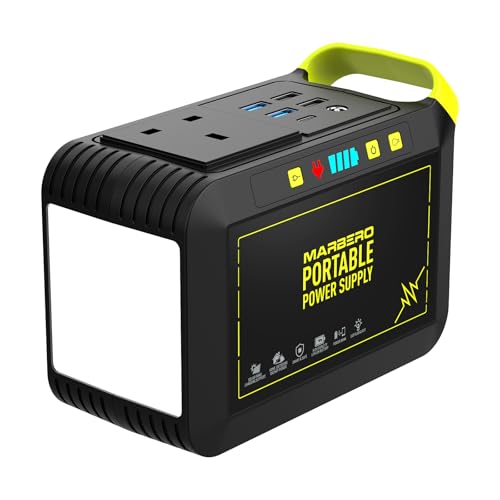
A practical portable power station with 88Wh capacity, best matched to the device wattages and runtime you actually need.
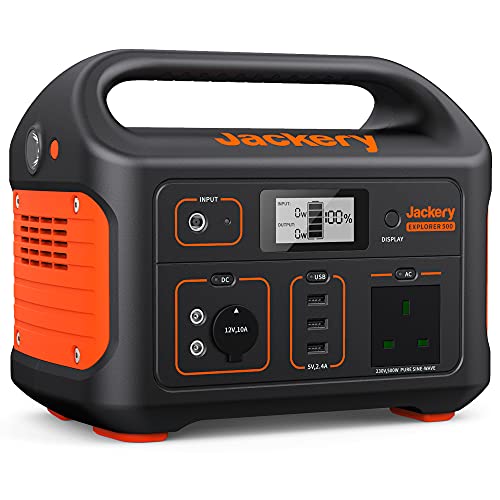
A practical portable power station with 518Wh capacity and solar charging, best matched to the device wattages and runtime you actually need.

A practical portable power station with 1070Wh capacity and long-life LiFePO4 cells, best matched to the device wattages and runtime you actually need.

A practical portable power station with 256Wh capacity and long-life LiFePO4 cells, best matched to the device wattages and runtime you actually need.
Capacity (Wh) for how much energy you need, output (W) for your highest-draw device, ideally a LiFePO4 battery for long life, pure sine wave for clean power, and the ports and solar input you want. Capacity and output matter most.
Watts (W) is how much power a station can deliver at once - it must exceed your device's draw. Watt-hours (Wh) is how much energy it stores - how long it can run things. You need enough of both for your use.
Generally yes - LiFePO4 batteries last for many more charge cycles and have good safety, so they are worth preferring for longevity. Standard lithium is lighter and cheaper but typically wears out sooner.
Our top pick is the Anker SOLIX C300 (our score 9.6/10) - A practical portable power station with 288Wh capacity and long-life LiFePO4 cells, best matched to the device wattages and runtime you actually need..