
Anker SOLIX C300
A practical portable power station with 288Wh capacity and long-life LiFePO4 cells, best matched to the device wattages and runtime you actually need.
A solar generator is simply a portable power station paired with solar panels, so you can recharge from the sun instead of the mains. It is the route to genuinely off-grid power for camping, vanlife and longer power cuts. This guide explains how solar charging really works in the UK and which units we rate.
A solar generator is the right choice when you need to recharge away from mains power. Look for a station with a built-in MPPT solar charge controller, a solar input rated for the panels you plan to use, and LiFePO4 cells for long life. Remember the panel is usually sold separately, and that real solar charge times in the UK depend heavily on sunshine, so size both the battery and the panels for cloudy days, not just bright ones.
Solar panels are rated in watts (W) - their maximum output in full, direct sun. That figure feeds the station's battery, which is rated in watt-hours (Wh). So a rough full-sun charge time is the battery's watt-hours divided by the panel's watts, plus a margin for losses. A 200W panel into a 1000Wh battery might take around six to eight hours of strong sun in theory. In practice UK conditions - cloud, low winter sun, shading and panel angle - mean you will often get a fraction of the rated panel output, so charging takes longer than the headline maths suggests.
Bigger panels recharge faster, up to the station's maximum solar input limit - go beyond that and the extra is wasted. As a rule of thumb, you want enough panel watts to put back roughly what you use in a day, with margin for weak light. For weekend camping a modest panel tops the battery up between uses; for continuous off-grid living you need more panel area, a larger battery, or both. Always check the station's stated maximum solar input voltage and wattage so the panel you choose is compatible.
Most modern stations include an MPPT (Maximum Power Point Tracking) charge controller, which squeezes more usable power out of a panel than a simpler controller, especially in the variable light we get in the UK. It is worth having. You will also see portable folding panels, which are convenient and weatherproof for camping, versus larger rigid panels for fixed or vanlife setups. Folding panels trade some efficiency and durability for portability.
Solar is brilliant in summer and on bright days, and useful year-round, but it is not a guaranteed top-up. Short winter days, heavy cloud and shading can cut output dramatically, so do not rely on solar alone for critical loads in winter. The sensible approach is to carry enough battery capacity to cover at least a day or two, and treat solar as the way to extend that, with mains or car charging as a backup when the sun does not cooperate.
A practical portable power station with 288Wh capacity and long-life LiFePO4 cells, best matched to the device wattages and runtime you actually need.

A practical portable power station with 1024Wh capacity and long-life LiFePO4 cells, best matched to the device wattages and runtime you actually need.
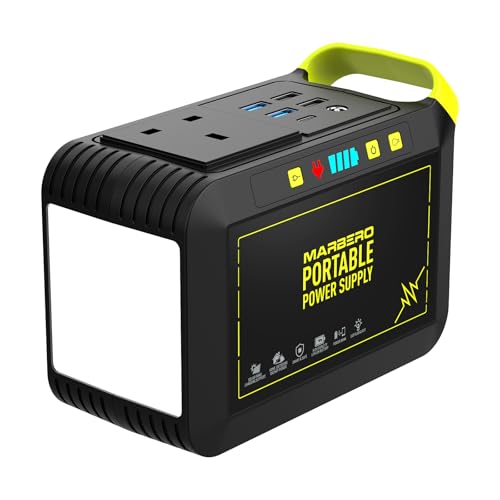
A practical portable power station with 88Wh capacity, best matched to the device wattages and runtime you actually need.
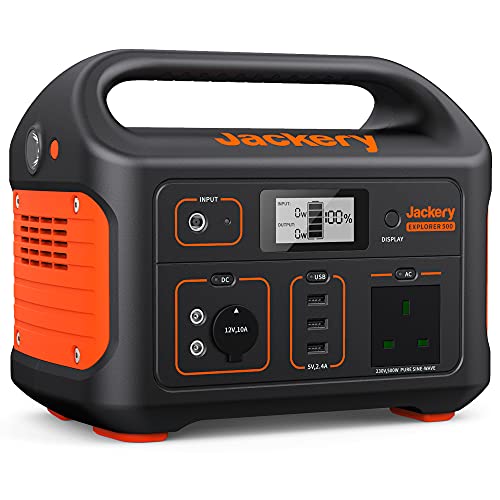
A practical portable power station with 518Wh capacity and solar charging, best matched to the device wattages and runtime you actually need.

A practical portable power station with 1070Wh capacity and long-life LiFePO4 cells, best matched to the device wattages and runtime you actually need.

A practical portable power station with 256Wh capacity and long-life LiFePO4 cells, best matched to the device wattages and runtime you actually need.

A practical portable power station with 299Wh capacity and long-life LiFePO4 cells, best matched to the device wattages and runtime you actually need.
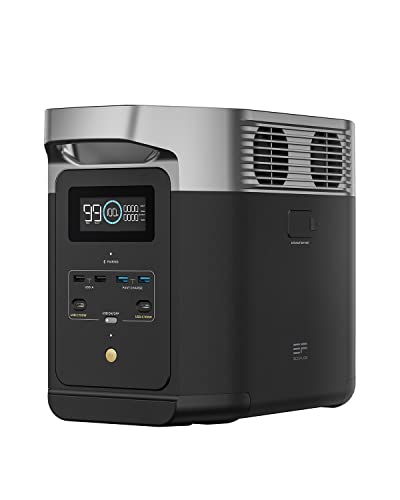
A practical portable power station with long-life LiFePO4 cells, best matched to the device wattages and runtime you actually need.

A practical portable power station with 512Wh capacity and long-life LiFePO4 cells, best matched to the device wattages and runtime you actually need.

A practical portable power station with 2048Wh capacity and long-life LiFePO4 cells, best matched to the device wattages and runtime you actually need.
A solar generator is a portable power station that can be recharged from solar panels, rather than a fuel-burning generator. It stores energy in a battery (rated in watt-hours) and tops up from panels (rated in watts), giving you quiet, fume-free off-grid power.
Roughly, divide the battery's watt-hours by the panel's watts for a best-case full-sun estimate, then allow extra for losses and weak light. In real UK conditions, cloud and low sun mean charging usually takes noticeably longer than the headline figure.
Usually not. Most portable power stations are sold on their own, with compatible solar panels available separately. Check the station's maximum solar input rating before buying a panel so the two are compatible.
Solar works well in summer and on bright days and is useful year-round, but output drops sharply with cloud and short winter days. Carry enough battery capacity for a day or two and treat solar as a top-up, with mains or car charging as backup.
Our top pick is the Anker SOLIX C300 (our score 9.6/10) - A practical portable power station with 288Wh capacity and long-life LiFePO4 cells, best matched to the device wattages and runtime you actually need..