
Anker SOLIX C300
A practical portable power station with 288Wh capacity and long-life LiFePO4 cells, best matched to the device wattages and runtime you actually need.
Power stations use one of two main battery chemistries, and the difference affects lifespan, safety and value. This guide explains LiFePO4 versus standard lithium so you can choose wisely.
LiFePO4 (lithium iron phosphate) is the better chemistry for most buyers, lasting far more charge cycles and offering good safety, which makes it the long-term value choice. Standard lithium (NMC) is lighter and often cheaper but wears out sooner. Unless weight or upfront price is your top priority, a LiFePO4 power station is usually the wiser buy for longevity and peace of mind.
LiFePO4 batteries are prized for long lifespan and good thermal stability. They typically last thousands of charge cycles - far more than standard lithium - so a LiFePO4 power station keeps much of its capacity for many years of regular use. Their stable chemistry also gives a strong safety profile, which is reassuring for a battery you may use indoors and store at home.
Standard lithium (often NMC) is lighter and more energy-dense, so units can be smaller and cheaper for the same capacity. The trade-off is fewer charge cycles, so the battery's capacity fades sooner with regular use. For occasional, light use or where minimum weight matters most, standard lithium can still make sense, but it is shorter-lived.
The lifespan gap is the key difference. A LiFePO4 unit's far higher cycle life means it often works out better value over years of use, despite sometimes costing more upfront, because it lasts longer before capacity drops. For anyone using a power station regularly - camping, frequent backup, daily off-grid - LiFePO4's longevity usually justifies any price premium.
Choose LiFePO4 for longevity, safety and long-term value, especially with regular use - it is the sensible default now that it is widely available. Choose standard lithium only if minimum weight or the lowest upfront price is your priority and you accept a shorter lifespan. For most UK buyers, LiFePO4 is the recommendation.
A practical portable power station with 288Wh capacity and long-life LiFePO4 cells, best matched to the device wattages and runtime you actually need.

A practical portable power station with 1024Wh capacity and long-life LiFePO4 cells, best matched to the device wattages and runtime you actually need.
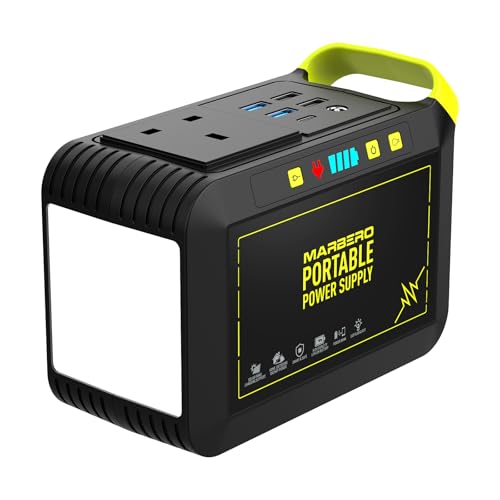
A practical portable power station with 88Wh capacity, best matched to the device wattages and runtime you actually need.
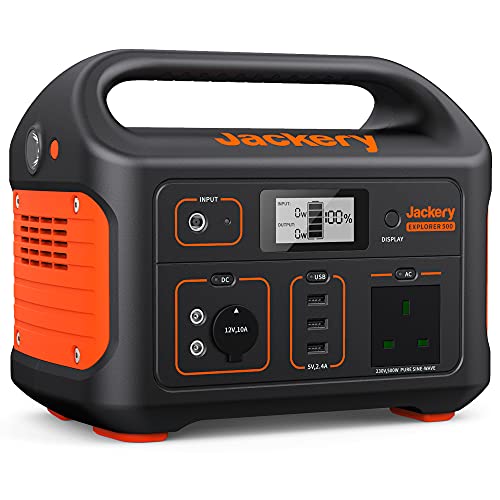
A practical portable power station with 518Wh capacity and solar charging, best matched to the device wattages and runtime you actually need.

A practical portable power station with 1070Wh capacity and long-life LiFePO4 cells, best matched to the device wattages and runtime you actually need.

A practical portable power station with 256Wh capacity and long-life LiFePO4 cells, best matched to the device wattages and runtime you actually need.
For most buyers, yes - LiFePO4 lasts far more charge cycles and has good safety, making it the better long-term value. Standard lithium is lighter and often cheaper but wears out sooner, so it suits weight-critical or budget cases.
LiFePO4 (lithium iron phosphate) offers long lifespan and strong safety, lasting thousands of cycles. Standard lithium (NMC) is lighter and more energy-dense but lasts fewer cycles, so its capacity fades sooner with regular use.
LiFePO4 batteries typically last thousands of charge cycles, which for regular use can mean many years before capacity noticeably drops. That long cycle life is the main reason they are recommended over standard lithium.
Our top pick is the Anker SOLIX C300 (our score 9.6/10) - A practical portable power station with 288Wh capacity and long-life LiFePO4 cells, best matched to the device wattages and runtime you actually need..