
Anker SOLIX C300
A practical portable power station with 288Wh capacity and long-life LiFePO4 cells, best matched to the device wattages and runtime you actually need.
Battery power stations and petrol generators both provide off-grid and backup power, but they suit different needs. This guide compares them on noise, fumes, cost, capacity and use.
Choose a power station for quiet, clean, indoor-safe power for devices, essentials and short-to-medium backup, and a petrol generator for high sustained output and long runtime where noise and fumes are acceptable. Power stations win for convenience, safety and most home and camping use; generators win for powering heavy loads or whole homes for extended periods.
This is the biggest difference. A power station is silent and produces no fumes, so it is safe to use indoors - ideal for a power cut, a bedroom CPAP, or quiet camping. A petrol generator is noisy and emits exhaust fumes, so it must be used outdoors with ventilation, well away from windows. For indoor or considerate use, the power station wins clearly.
A generator runs as long as you feed it fuel, delivering high sustained output - good for powering heavy loads or a whole home for a long outage. A power station is limited by its battery, though it can be recharged from mains or solar. For short outages and moderate loads, the power station is plenty; for long, high-power demands, a generator's fuel-fed runtime is hard to beat.
Petrol generators typically offer higher output, able to run high-wattage tools, heaters and multiple heavy appliances. Power stations suit electronics and essentials, with larger units running a fridge and more. If you need to run power tools on a site or heavy appliances, a generator may be necessary; for devices and home essentials, a power station does the job cleanly.
Power stations have higher upfront cost but near-zero running cost and no maintenance beyond battery care, plus free solar recharging. Generators are cheaper to buy but cost fuel to run and need maintenance (oil, servicing) and safe fuel storage. Over time and for occasional use, the power station's convenience and low running cost often appeal more.
Pick a power station for quiet, clean, indoor-safe power for devices, camping, CPAP and short-to-medium home backup. Pick a generator for high sustained output, running heavy loads or a whole home through long outages, where noise and fumes outdoors are acceptable. Some people keep both for different scenarios.
A practical portable power station with 288Wh capacity and long-life LiFePO4 cells, best matched to the device wattages and runtime you actually need.

A practical portable power station with 1024Wh capacity and long-life LiFePO4 cells, best matched to the device wattages and runtime you actually need.
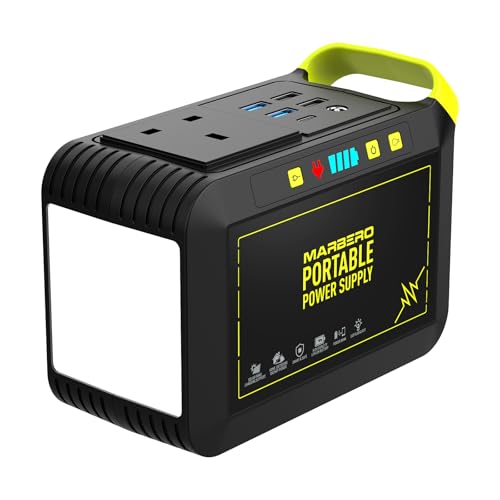
A practical portable power station with 88Wh capacity, best matched to the device wattages and runtime you actually need.
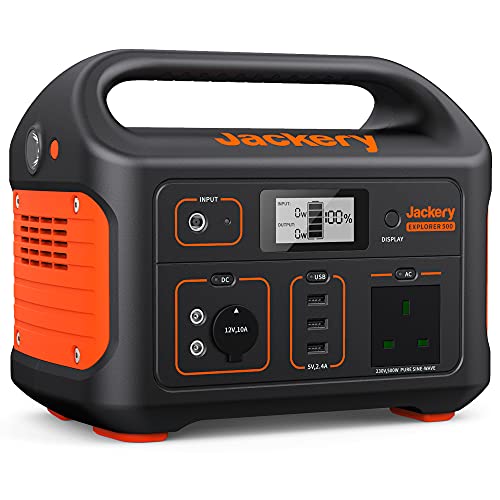
A practical portable power station with 518Wh capacity and solar charging, best matched to the device wattages and runtime you actually need.

A practical portable power station with 1070Wh capacity and long-life LiFePO4 cells, best matched to the device wattages and runtime you actually need.

A practical portable power station with 256Wh capacity and long-life LiFePO4 cells, best matched to the device wattages and runtime you actually need.
Neither is simply better - they suit different needs. A power station is quiet, fume-free and safe indoors for devices and essentials; a generator gives high sustained output for heavy loads or whole-home backup but is noisy and must be used outdoors.
Yes - power stations are silent and produce no fumes, so they are safe to use indoors, unlike petrol generators which must be used outdoors with ventilation due to exhaust fumes. This makes power stations ideal for power cuts.
Generators are cheaper to buy but cost fuel to run and need maintenance; power stations cost more upfront but have near-zero running cost, no fumes and free solar recharging. For occasional, clean use, power stations often work out more convenient.
Our top pick is the Anker SOLIX C300 (our score 9.6/10) - A practical portable power station with 288Wh capacity and long-life LiFePO4 cells, best matched to the device wattages and runtime you actually need..